
Emma used to plan her weekend around the nearest broadband café, lugging a console and a stack of discs just to play the latest release. Last month she tried a cloud‑gaming service on her modest laptop, and the game launched in under five seconds. No download, no update, no waiting for a patch. She spent the whole afternoon streaming a high‑resolution RPG while the kettle boiled, and the only thing she needed to charge was her phone.
What Cloud Gaming Actually Means for the UK
In practice, cloud gaming turns a remote server into your console. Services run the game on powerful GPUs in data centres, then compress the video feed and send it over the internet. For a typical UK broadband connection of 50 Mbps, you can expect 1080p at 60 fps with less than 30 ms latency – enough for most single‑player titles and many multiplayer matches.
Because the heavy lifting happens off‑device, a user can play on a cheap laptop, a tablet, or even a smart TV. The average hardware cost drops from £400‑£800 for a high‑end PC to under £150 for a device that would otherwise be used for streaming Netflix.
Cost Structure – Saving or Splurge?
Subscription plans usually range from £9.99 to £24.99 per month, with a “pay‑as‑you‑go” tier at roughly £0.30 per hour. Compare that to buying a new console (£300) plus games (£60 each) every two years. A family of four can stay under £50 a month and still access a library of 200+ titles, according to the latest catalogue counts from the biggest providers.
However, the model isn’t free. Data‑heavy streaming can eat up a 500 GB broadband cap in about 15 hours of 4K gaming. Households with limited data plans may see extra charges, so it’s not a universal win.
Impact on Content Creation and Distribution
Developers no longer need to optimise for low‑spec hardware. A UK studio recently released a VR‑enabled adventure that runs flawlessly on cloud, even though the average home PC cannot handle the required 12 GB of VRAM. This opens the door for more ambitious indie projects, because the distribution cost is bundled into the service’s infrastructure.
On the flip side, smaller studios that rely on platform exclusivity lose a bargaining chip. Without a console ecosystem, they must negotiate directly with cloud providers, which can lead to less favourable revenue splits.
Social Play and Community Shifts
Because the game is streamed, friends can join a session without swapping discs or waiting for a friend’s console to be free. A recent survey showed that 42 % of UK gamers now prefer “instant party” modes that let you drop into a lobby with a single click. The barrier to entry for multiplayer has dropped dramatically.
Yet, the lack of a physical console can dilute the sense of ownership. Players who cherish collecting physical editions may feel alienated, and the resale market for games shrinks to virtually nothing.
Bridging to Online Gaming and Betting
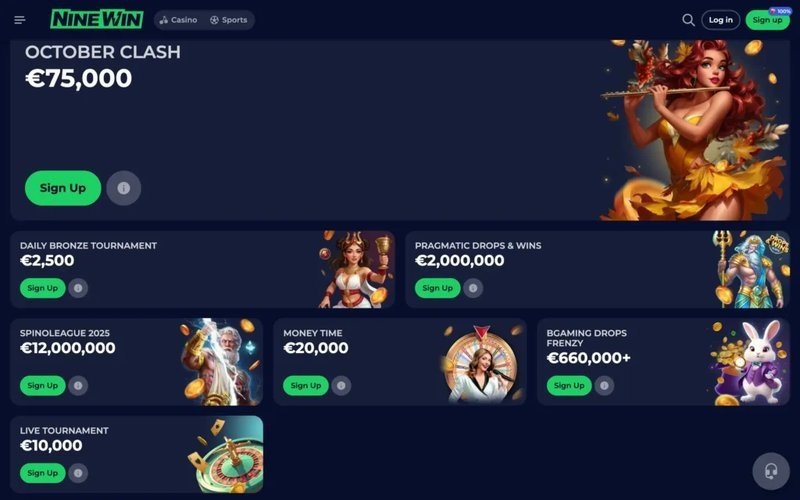
While cloud platforms focus on mainstream entertainment, the same technology underpins many online betting sites. For example, the platform ninewin leverages low‑latency streaming to deliver live horse‑racing feeds, letting users place bets in real time without a laggy connection.
Future Outlook – What to Watch For
5G roll‑outs across the UK promise sub‑10 ms latency, which could make cloud gaming indistinguishable from local play. Expect more hybrid models where a small local GPU handles the final frame rendering, further reducing lag.
Regulatory bodies are also taking note. The Competition and Markets Authority is reviewing whether cloud providers could become gatekeepers for digital entertainment, a move that could affect pricing and competition.
Bottom Line
Cloud gaming is already reshaping how UK households consume entertainment: cheaper hardware, instant access, and broader creative possibilities. It isn’t a perfect fit for everyone—data caps and the loss of physical media remain real concerns—but for many, the convenience outweighs the drawbacks. As infrastructure improves and more titles become cloud‑native, the shift from console‑centric living rooms to flexible, on‑demand gaming will only accelerate.
Frequently Asked Questions
What exactly is cloud gaming?
Cloud gaming streams games from remote servers to your device, so you play without installing or updating software locally.
Do I need a fast internet connection?
Yes, a stable, high‑speed broadband with low latency is essential to enjoy smooth gameplay and prevent lag.
Can I play on my laptop?
Absolutely; cloud gaming works on any device with a browser or app, as long as it meets the minimum system requirements and has a good internet link.
Will the games be the same quality as on a console?
Many cloud services deliver high‑resolution graphics, often matching or exceeding console quality, though performance depends on your connection.